|
Question:
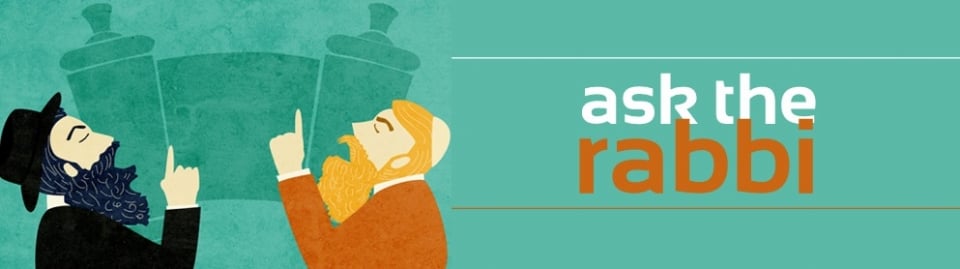
How is Chabad different from other ultra-Orthodox groups? Among the "black hatters," Chabad seems to be the exception. Why?
Answer:
In my youth, I studied in both Chabad and non-Chabad yeshivas. I wore both hats. So I can tell you from firsthand experience exactly where the difference lies.
One day in yeshiva, I heard a leading ultra-Orthodox rabbi give a fiery talk about the dangers of the secular world. His message was simple: The world outside is spiritually toxic. The only way to survive as a Jew is to build high walls and shield ourselves from the corruption beyond.
That very same afternoon, I sat down to study a talk from the Lubavitcher Rebbe.
He was addressing the biblical story of the spies Moses sent into the Land of Israel. The spies came back with a terrifying report and convinced the Jewish people not to enter the Land.
The Rebbe asked a simple question: These spies were holy, righteous leaders. Why would they reject the Promised Land?
His answer flipped everything on its head.
The spies scouted the land and saw farmers plowing fields, merchants doing business, families occupied with ordinary life. And they couldn’t believe it.
You call this the Holy Land?
Up until that point, the Jews were living in a spiritual bubble. In the desert, they ate manna from heaven, drank from a miraculous well, and studied Torah with Moses. It was a perpetual spiritual retreat.
The spies thought: Why trade a heavenly oasis for the dirty, distracting business of real life?
It sounds like a noble argument. But that, the Rebbe explained, was their tragic mistake.
The ultimate purpose of Judaism is not to escape the world. The purpose is to transform it.
The material universe is not an evil to avoid. It is a potential to actualise.
Holiness is not confined to the synagogue or the study hall. It can be found in the office, the kitchen, the classroom and the marketplace.
Earning money honestly, giving charity, eating kosher, helping a neighbour, speaking kindly to a stranger, raising a family, all of these are ways of bringing the Divine into the world.
The challenge is not to escape ordinary life, but to reveal the holiness hidden within it.
The spies had holy intentions, but they completely missed the point. Our mission isn't to look for G-d in a bubble. It’s to bring G-d into the mundane.
Sitting in that study hall, the contrast hit me like a lightning bolt.
That morning, I was told the secular world is a threat to spirituality. That afternoon, I read that the secular world is the place where spirituality is meant to happen.
I was sold.
Ultra-Orthodox insularity comes from a beautiful, sincere place, a deep desire to preserve authentic Judaism from being swallowed up by modern culture. It’s a defensive strategy.
But Chabad’s vision is proactive. The world isn’t a spiritual wasteland, it’s Holy Land waiting to be revealed.
That idea grabbed me, and it never let go.
It’s why I wear the Chabad hat. It may be black, but it's about making the world brighter.
Good Shabbos,
Rabbi Moss
Source:
Likkutei Sichos Vol 4 Parshas Shlach
|



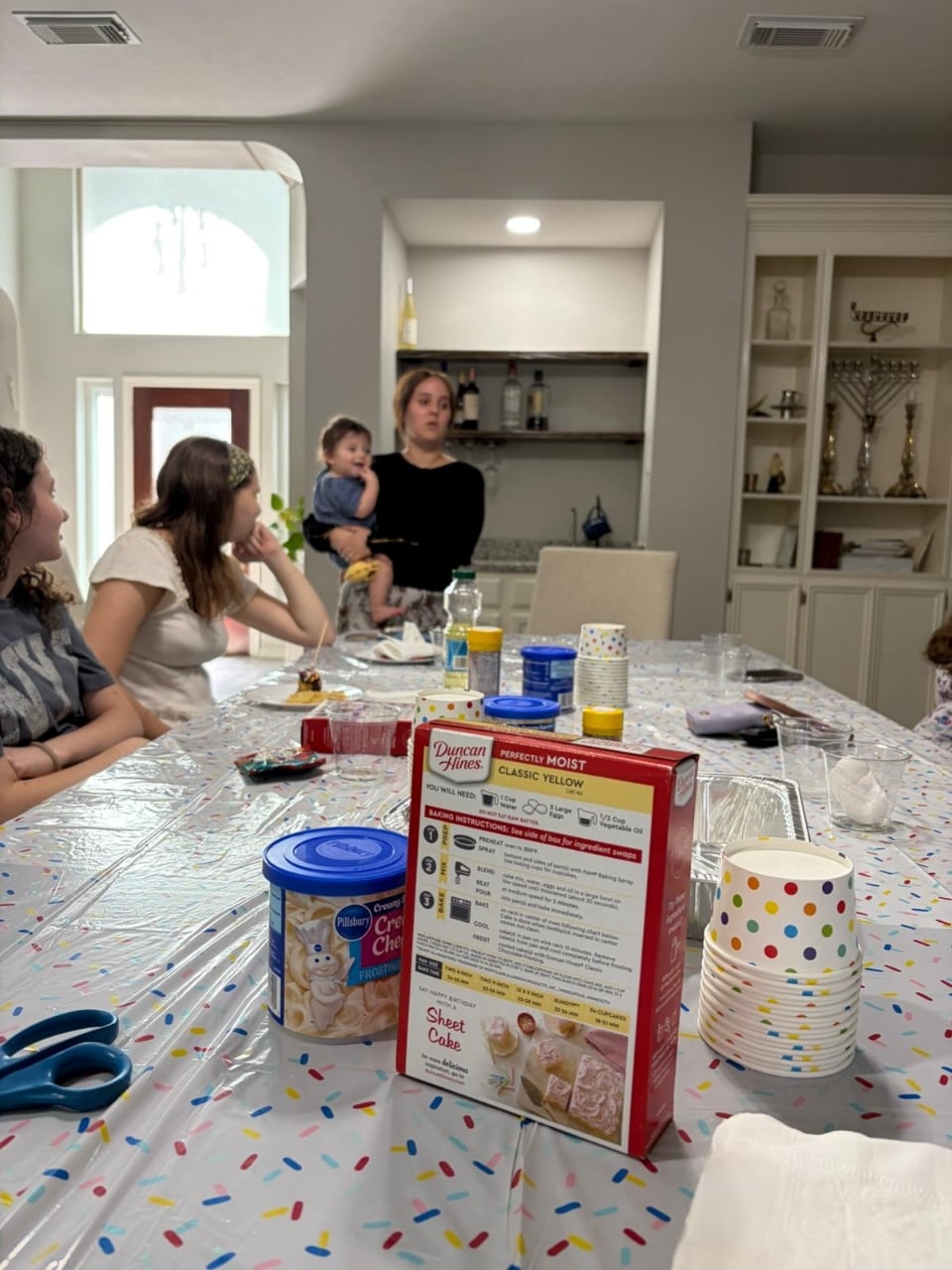
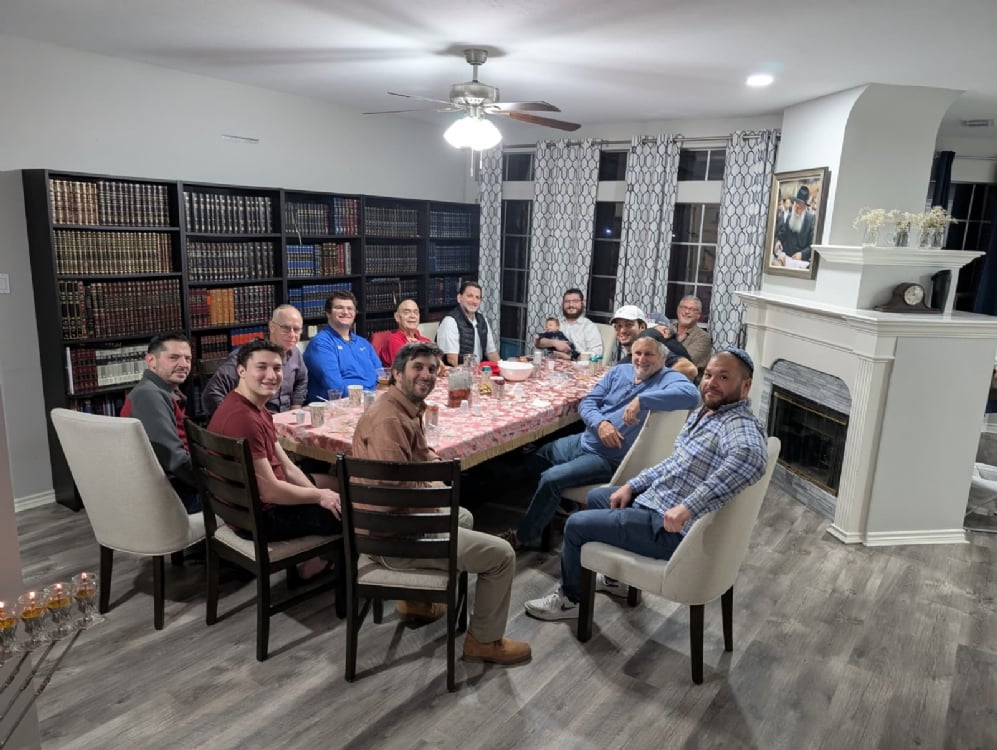
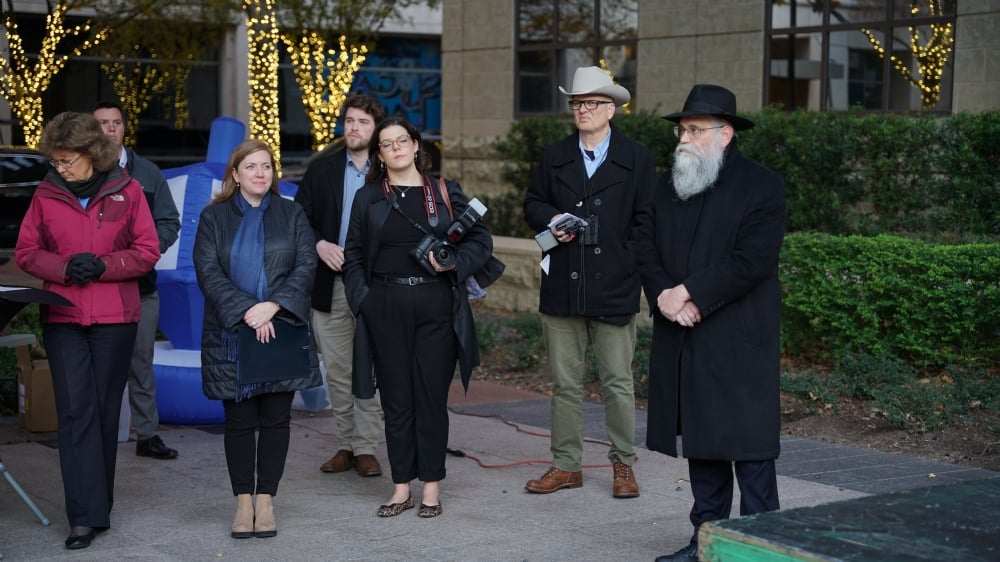
 Top: CTeen DotCake Party (cameo made by Peretz!)